MAX Extends Its Series B3 to $29M With Financing From Nithio
Lagos-based electric mobility company MAX has taken undisclosed financing from US climate investor Nithio, bringing its Series B3 round to $29 million.
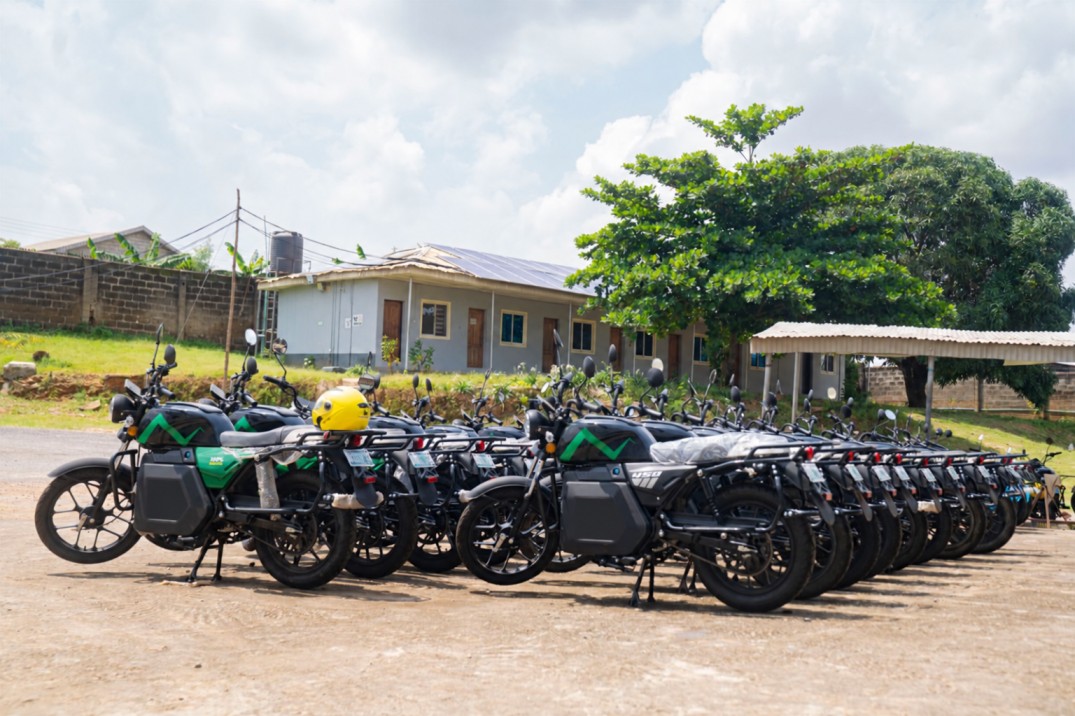
Lagos-based MAX has extended its Series B3 round to $29 million with new financing from Nithio, a US-based climate investment firm. Nithio announced the deal on October 12, 2026. Neither company disclosed Nithio's contribution or whether it came as equity or debt.
MAX runs an integrated electric mobility platform: electric motorcycles, battery subscriptions, solar-powered charging, digital payments and fleet financing. Commercial drivers, whom MAX calls "Champions," get vehicles through daily subscription payments with no upfront deposit. The company operates in 20 cities across Nigeria, Ghana and Cameroon and says it supports more than 60,000 drivers through 288 battery cabinets at 143 swapping locations.
"Nithio's investment validates the model we've built at MAX: mobility that is clean, affordable and pays for itself," said co-founder and CEO Adetayo Bamiduro. Raghav Sachdeva, Nithio's chief investment officer, called MAX "a scalable platform for cleaner and more affordable mobility across Africa."
The round follows a $24 million equity-and-debt raise in January 2026 backed by Novastar Ventures, Triple Jump, Endeavor Catalyst, Equitane DMCC and the Energy Entrepreneurs Growth Fund. MAX is targeting 250,000 drivers and more than $150 million in annual recurring revenue by 2027. Earlier in 2026, Nithio invested $7 million in Spiro, its first direct e-mobility deal.
MAX is one of the clearest examples of Nigerian climate tech running on asset finance, not pure venture equity. Every motorcycle on a daily subscription is a small loan, so the business grows as fast as it can borrow against its fleet. That's why the investor list keeps adding names like Nithio, which underwrites climate assets, rather than more traditional VCs. Nigeria's $42 million in October funding was mostly energy and mobility debt, and MAX fits that picture. The number that matters is the $150 million ARR target for 2027. Against 60,000 drivers today, getting there requires roughly quadrupling the fleet in about a year. Watch repayment rates and battery-swap utilisation. They will show whether this compounds or stalls.
Lemina News
✓ VERIFIEDLemina's newsroom covers fundraising pipelines, financial services policy, and private asset valuations across African technology hubs — verified against the platform's underlying company data.